Barber Hygiene
A Clean Cut Starts With Better Barber and Clipper Habits
Your lineup looks sharp, but by the next morning your neck feels tender and little bumps have appeared. When it keeps happening, it is hard to know whether to question the clippers, the close finish, or your own skin.
Published October 2, 2026 · 3 min read
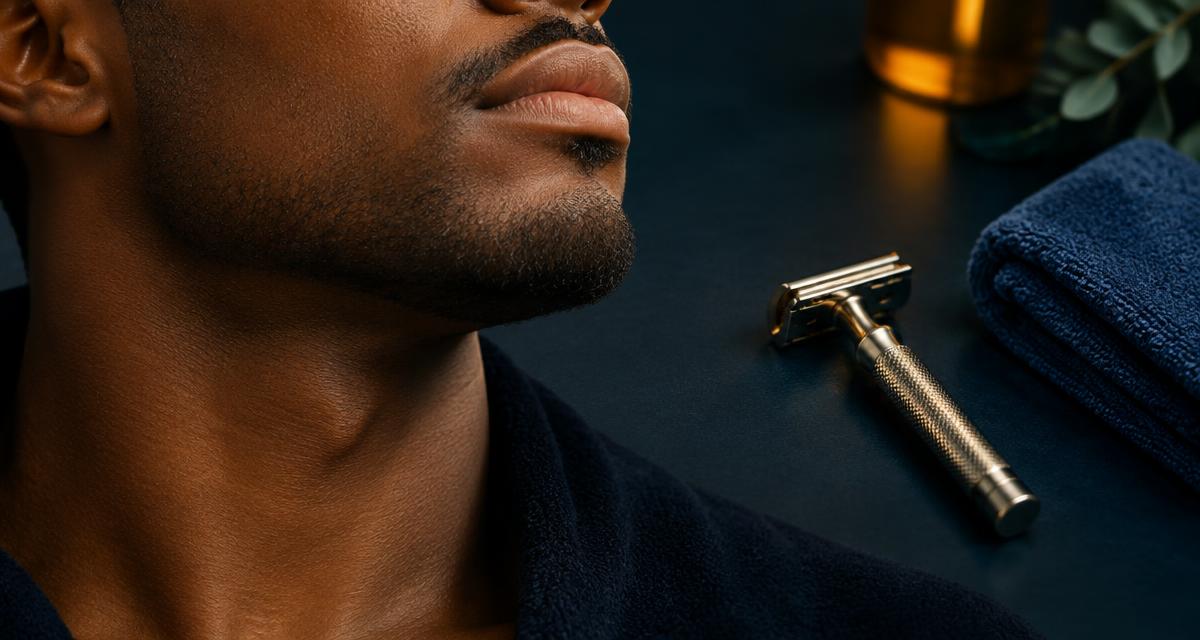
Clean tools and gentle technique do different jobs
Your skin’s outer layer acts as a protective barrier. Clippers pressed firmly against it, repeated passes over one spot, and very close edging can create friction and tiny surface injuries. Hair cut very short can also curve back into the skin as it grows, especially when it is tightly curled, triggering inflammation without an infection.
Tool hygiene is a separate part of the picture. Shared equipment can carry microorganisms, and irritated or broken skin may be more vulnerable to infection. Brushing hair off a blade removes visible debris, but it does not disinfect it. Reusable tools need cleaning followed by disinfection according to the tool and disinfectant manufacturers’ instructions, including the required wet contact time.
Bumps after a haircut do not automatically mean the barber used dirty tools. Friction, ingrown hairs, reactions to products, and infections can look similar. Good hygiene matters, but even properly disinfected clippers can irritate skin when the cut is too close or the blade repeatedly scrapes the same area.
You want to enjoy the haircut, not manage the aftermath
A haircut can be part of feeling ready for a shift, an interview, a date, or a family event. Tender skin and visible bumps can turn that confidence boost into checking your neck in every mirror or wondering whether your collar will rub all day. That frustration is real, even when other people barely notice.
It can also feel awkward to ask a barber you trust about cleaning tools or changing your usual finish. But asking is not an accusation, and needing a less-close cut is not a grooming failure. Knowing which habits to discuss gives you something more useful than blaming yourself or buying another product at random.
What to ask for before the clippers touch your skin
Whether you visit a busy barbershop or trim at home, focus on both tool hygiene and how much friction reaches your skin.
- Ask how clippers and reusable attachments are cleaned and disinfected between clients. A quick brush-off or brief spray alone does not confirm that the full process has been completed.
- If a razor is used for edging, ask for a fresh single-use blade and proper cleaning and disinfection of the reusable holder. You can also decline razor edging if it tends to leave your skin sore.
- Request a little length rather than a skin-close finish on areas that repeatedly get irritated. Ask for light pressure, fewer passes, and no stretching of the skin to achieve an extra-close edge.
- Tell your barber about tender, broken, or draining areas before the haircut. Avoid clipping directly over them; postpone work on those spots and seek medical advice when needed.
- For home clippers, remove trapped hair, then clean and disinfect compatible parts as directed. Unplug the device first, never immerse electrical components unless the manufacturer explicitly allows it, and maintain or replace damaged blades.
- Keep aftercare simple: gently wash away loose hairs, avoid scrubbing or picking, and use a fragrance-free moisturizer if tolerated. Skip products that sting, including alcohol-heavy aftershaves.
When to see a professional
See a qualified healthcare professional for persistent or worsening pain, spreading redness or swelling, draining bumps, scarring, or patchy hair loss. Seek prompt medical care if fever accompanies the skin changes or the area is rapidly worsening. A clinician can assess the cause rather than treating every post-haircut bump as the same problem.
For more practical tips like these, follow @docfolikool on TikTok.
Keep reading
Watch: quick video explainers
Build a routine instead of guessing
Tired of guessing what keeps setting your skin off? Download Clear Skin Reset for Men’s free guide, "7 Reasons Your Bumps Keep Coming Back," for an educational look at habits worth reviewing.