Beard Care
Growing Out Your Beard: Why It Itches and Bumps Appear
You decided to grow your beard out, but now your jaw itches and bumps are making the awkward stage even more frustrating. Leaving the razor alone was supposed to make grooming simpler—not give you another problem to figure out.
Published October 31, 2026 · 3 min read
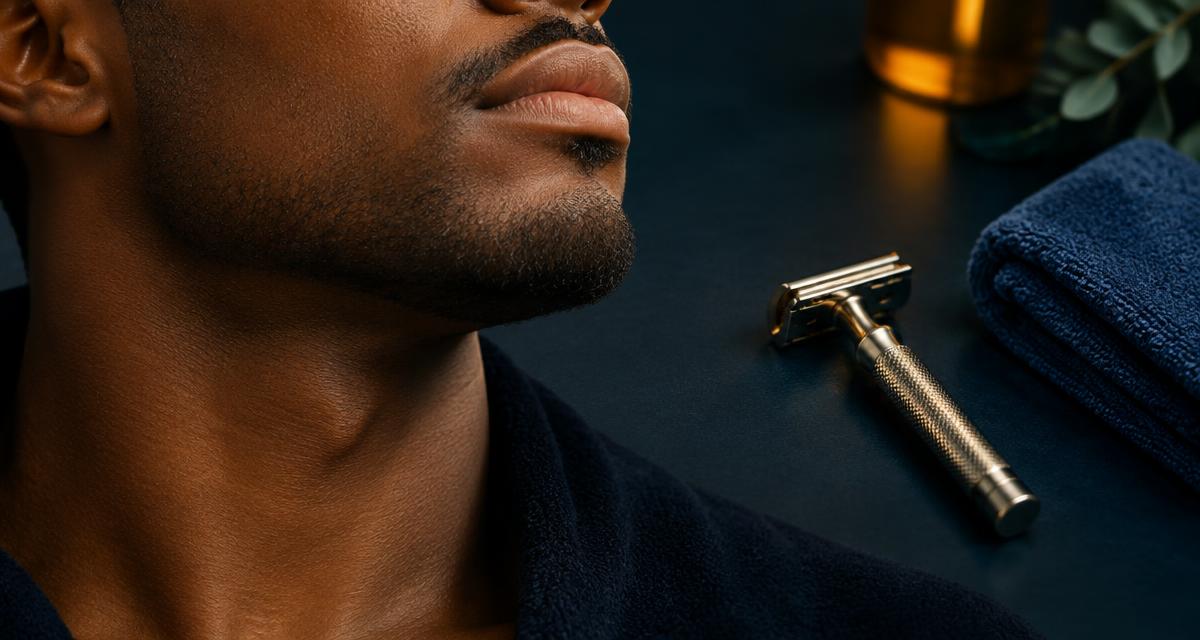
What Is Happening Under the Stubble?
Early beard growth can feel prickly because recently cut hairs have blunt ends that rub against nearby skin. Dryness, harsh cleansing and friction can add to the itch. This does not mean the beard is growing incorrectly, and itching is not a reliable sign of faster growth.
Bumps can have several causes. A closely cut hair may curve back into the skin or become trapped as it grows, prompting inflammation around it. This is more likely with tightly curled or coarse hair, but it can happen with different hair textures. Bumps from a recent shave may also remain noticeable after you stop shaving.
Not every bump is an ingrown hair. Irritation from fragranced products, clogged pores or inflammation around hair follicles can look similar. Beard oils and balms are not automatically soothing: their ingredients may irritate some skin. Appearance alone is not enough to identify the cause.
The Awkward Stage Can Take Up Too Much Headspace
An itchy beard can pull your attention away from a meeting, a conversation or a date. Visible bumps may leave you wondering whether people notice your skin before they notice you—even when you have put real effort into looking well groomed.
The exhausting part is often the guessing: shave it off, let it grow, buy another oil or scrub harder? You do not need to treat discomfort as proof that you are doing something wrong. A simpler routine can reduce the number of possible irritants and make it easier to notice what your skin tolerates.
Keep the Grow-Out Routine Gentle
Whether you are dealing with humid heat or dry indoor air, focus on caring for the skin beneath the beard rather than adding more products.
- Wash gently with lukewarm water and a mild, fragrance-free cleanser. Use your fingertips rather than a rough sponge or scrub, and rinse after heavy sweating.
- Apply a light, fragrance-free moisturizer to slightly damp skin beneath the beard. A product labeled non-comedogenic may be a useful option if you are prone to clogged pores.
- Avoid scratching, squeezing or digging out hairs with tweezers or needles. A clean, cool compress may ease temporary itching without picking at the skin.
- If you need to tidy the beard, consider a guarded trimmer that leaves some length instead of repeatedly shaving skin-close. Avoid stretching the skin or making repeated passes over bumps.
- Keep grooming tools clean according to the manufacturer's instructions, and do not share razors. Ask your barber to avoid close line-ups over irritated areas.
- Pause products that sting or seem to worsen itching, including fragranced aftershaves, oils or balms. Introduce new products one at a time rather than changing the whole routine.
When to see a professional
See a qualified healthcare professional if bumps are painful, spreading, draining pus, recurring, or leaving scars, or if you notice patchy hair loss. Seek prompt medical care if fever occurs with worsening skin symptoms, especially spreading redness, warmth or swelling. Persistent itching also deserves assessment rather than being dismissed as a normal part of growing a beard.
For more practical tips like these, follow @docfolikool on TikTok.
Keep reading
Watch: quick video explainers
Build a routine instead of guessing
Tired of guessing what keeps setting your skin off? Download Clear Skin Reset for Men’s free guide, “7 Reasons Your Bumps Keep Coming Back,” to explore common triggers and gentler grooming habits.