Shaving
How to Stop Razor Bumps After Shaving: Tools and Technique
You shave for a clean look, then spend the next few days trying not to touch the bumps along your beard line. Switching razors again can feel like another guess when nobody explains what your skin is reacting to.
Published November 4, 2026 · 3 min read
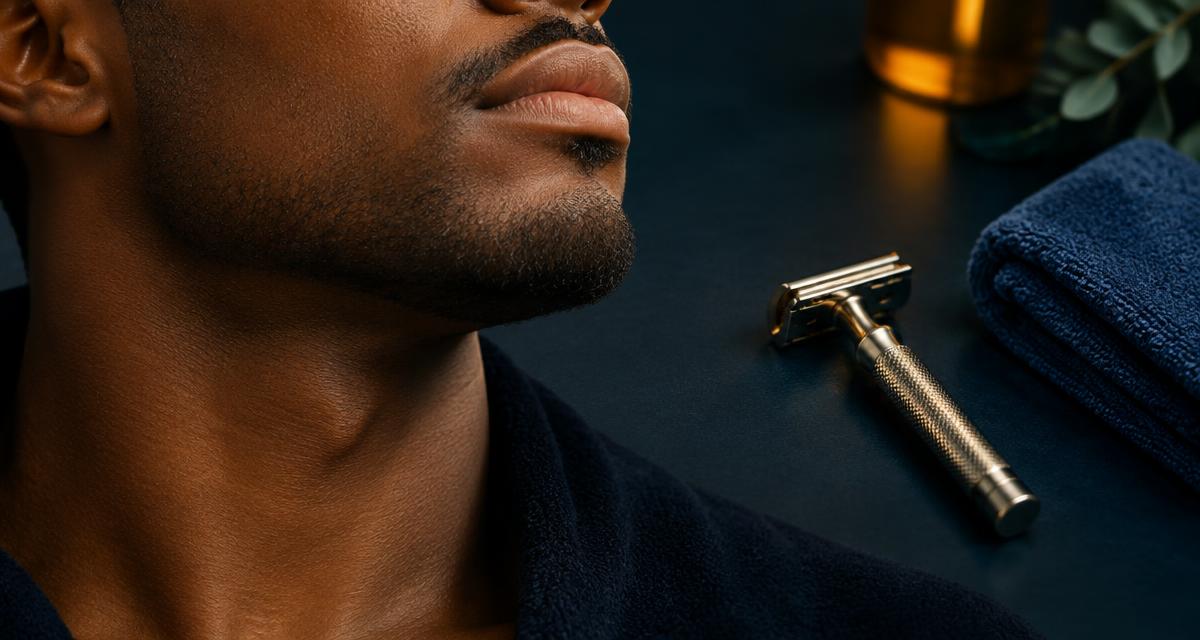
What happens beneath a close shave
Razor bumps can develop when a freshly cut hair curls back into the skin or grows into the surrounding skin instead of out through its opening. The skin reacts to that trapped hair with inflammation, creating a raised bump that may itch or feel tender. Tightly curled or coarse beard hair is more likely to turn back toward the skin.
A very close shave can make this easier to happen. Stretching the skin, shaving against the direction of growth or repeatedly passing over one patch can cut hairs extremely short while also irritating the skin’s protective outer layer. A tool that leaves a little visible stubble may be a better fit than one designed for the smoothest possible finish.
Not every bump after shaving is an ingrown hair. Razor burn, reactions to grooming products and inflammation or infection around hair follicles can look similar. Timing and appearance alone are not enough to reliably tell them apart.
Looking groomed should not feel like a gamble
When shaving leaves your neck uncomfortable or visibly uneven, getting ready for work or a date can become more stressful than it needs to be. You might find yourself checking the mirror repeatedly or worrying that other people mistake irritation for poor grooming. Bumps are not a measure of cleanliness or effort.
The guessing can be exhausting, too: a new blade, a stronger aftershave, another attempt at a perfectly sharp line. A simpler approach gives you fewer variables to manage. The goal is a grooming routine your skin tolerates—not proving you can get the closest shave.
Choose less closeness and more control
These general habits may reduce irritation and the conditions that encourage ingrown hairs. Change one part of your routine at a time so you can notice what feels more comfortable.
- Consider a guarded trimmer. Leave roughly 1–2 mm of stubble rather than pressing an unguarded cutter against the skin. If a barber handles your beard, ask for a little length and no repeated razor passes to sharpen the outline.
- Prepare before using a blade. Soften the hair with warm water, then apply a gentle shaving cream or gel and give it time to soften the beard. Avoid dry shaving with a manual razor.
- Follow your hair’s direction. Check how the hair grows across your cheeks and neck—it may change direction in different areas. Use short, light strokes with the grain, without pulling the skin tight or repeatedly chasing missed hairs.
- Keep tools in good condition. Use a sharp, clean blade and replace it when it tugs or becomes damaged. Clean trimmers according to the manufacturer’s instructions, let tools dry and do not share razors. More blades do not automatically mean a better shave for bump-prone skin.
- Keep aftercare gentle. Rinse, pat dry and apply a fragrance-free moisturizer. Skip products that sting, harsh scrubs and picking or digging at trapped hairs; these can add irritation and contribute to lingering marks.
- Give irritated areas a break. Avoid shaving directly over raised or tender bumps when possible. If you need to stay groomed, consider trimming without pressing into the affected skin rather than trying to shave it smooth.
When to see a professional
See a healthcare professional if bumps are increasingly painful, spreading, draining pus, leaving scars or accompanied by hair loss. Seek prompt medical attention if you develop fever, rapidly spreading redness or swelling, or severe pain. Persistent or repeatedly returning bumps also deserve assessment, since different causes may need different care.
For more practical tips like these, follow @docfolikool on TikTok.
Keep reading
Watch: quick video explainers
Build a routine instead of guessing
Tired of changing tools without knowing what to look for? Download Clear Skin Reset for Men’s free guide, “7 Reasons Your Bumps Keep Coming Back,” to explore habits that may be keeping the cycle going.