Ingrown Hair
Ingrown Hair in Nigeria: Why It Keeps Coming Back and How to Calm It
If small, itchy or tender bumps keep appearing on your beard area, neck or head after a cut or shave, you are not alone. Ingrown hairs are one of the most common skin complaints among men with tightly curled hair, and the routine that causes them is usually fixable.
Published October 6, 2026 · 6 min read
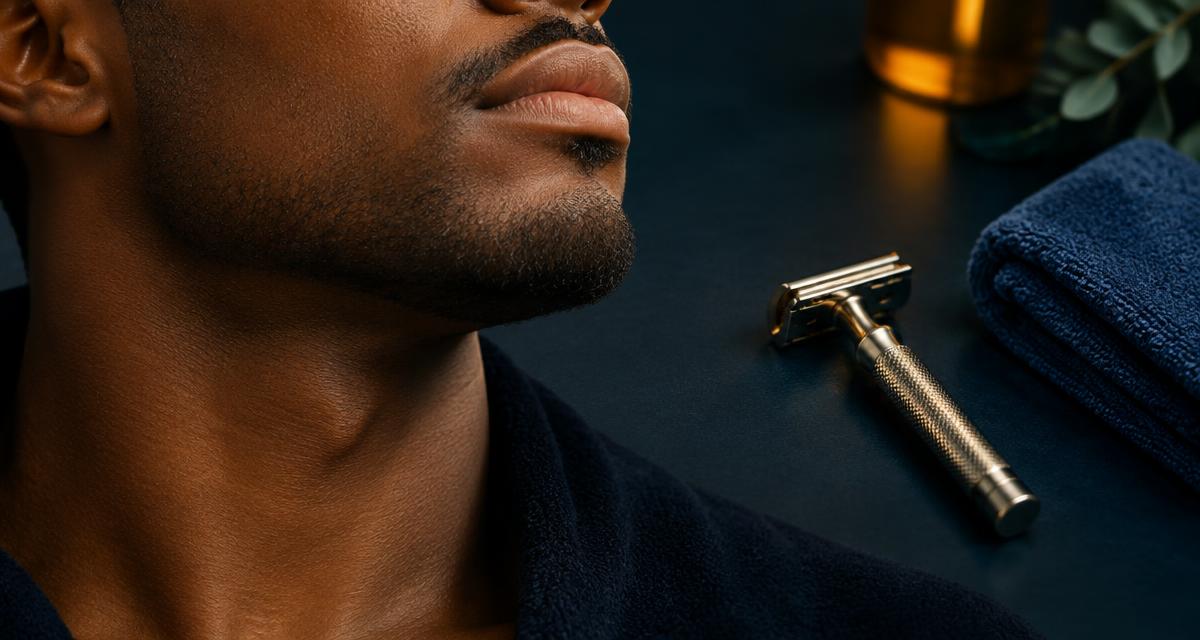
What an ingrown hair is
An ingrown hair happens when a cut hair curls back and grows into the skin instead of out of it. The skin treats the hair like a splinter, so it becomes red or dark, raised and sometimes itchy or sore.
Tightly curled hair has a natural curve, so when it is cut very short or below the skin surface, the sharp tip can easily turn back in. That is why ingrown hairs are especially common in Black men.
Why they are so common in Nigeria
- Very close cuts: "skin" or bald fades and razor line-ups cut hair at or below the surface.
- Heat and sweat: friction from collars, caps and sweat keeps the area irritated.
- Shared clippers: poorly cleaned barber tools can add infection on top of an ingrown hair.
- Picking and tweezing: digging hairs out often causes more inflammation and dark marks.
A gentle routine to reduce new ingrown hairs
- Leave a little length: ask your barber for a low guard instead of shaving to the skin, especially on the neck.
- Cut with the grain, not against it, and avoid pulling the skin tight.
- Wash the area with a mild cleanser and lukewarm water after every cut and after workouts.
- Use a gentle exfoliating product (for example one with salicylic or glycolic acid) a few nights a week instead of rough scrubs.
- Moisturise daily so the skin stays soft and hairs exit more easily.
- Wear loose, breathable collars when you can.
If a hair is already trapped
Apply a warm, clean, damp cloth for a few minutes. If the hair loop is clearly visible above the skin, you can gently lift the tip with a sterile tool — never dig. If it is deep, leave it alone and let the routine above do the work.
When to see a doctor
See a licensed doctor or dermatologist if bumps become painful, fill with pus, spread, leave hard raised scars, or keep appearing on the back of the head. These can be signs of infection, folliculitis or acne keloidalis nuchae, which need professional care.
For more practical tips like these, follow @docfolikool on TikTok.
Keep reading
Watch: quick video explainers
Build a routine instead of guessing
Start with the free 7 Reasons guide, or see the complete Clear Skin Reset system.