Shaving Care
Razor Bumps Before Monday: What to Do This Weekend
It’s Sunday evening, your neck is bumpy, and tomorrow’s work shirt will rub against every raised spot. The temptation is to shave everything smooth—but another close pass can add to the irritation.
Published November 2, 2026 · 3 min read
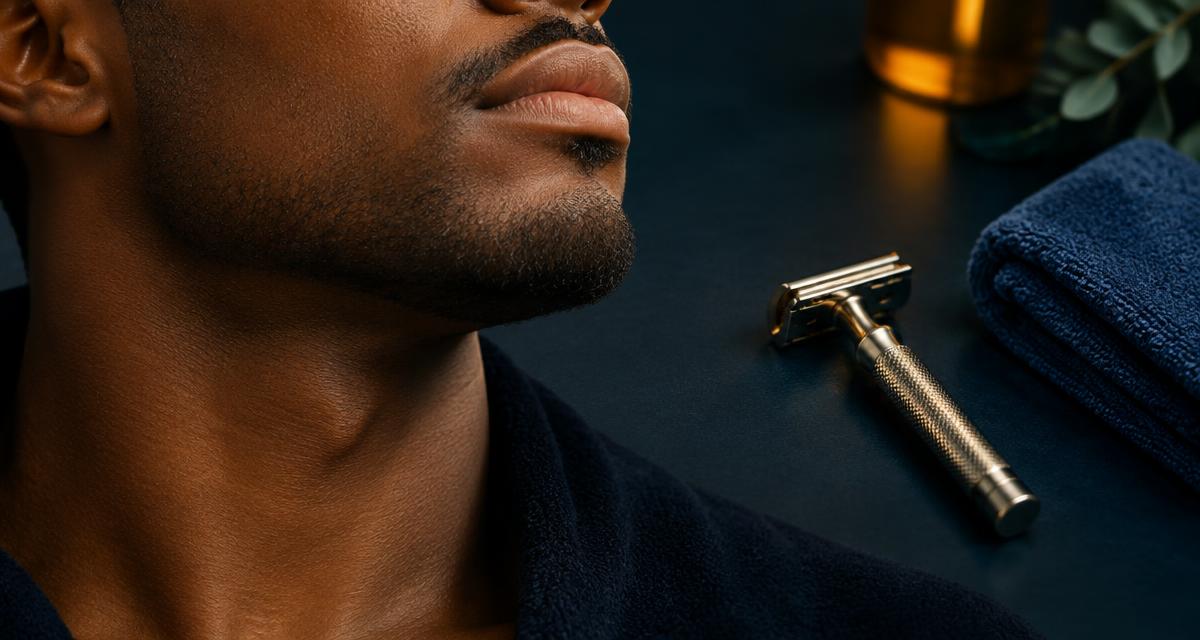
What’s happening beneath those bumps?
Razor bumps can develop when a cut hair curves back into the skin or grows into it instead of outward. The skin reacts to that trapped hair with inflammation, creating raised spots that may itch or feel tender. Curly or tightly coiled beard hair is more likely to turn back toward the skin, especially after a very close shave.
Not every bump after shaving has the same cause. Razor burn is surface irritation from shaving, while inflamed hair follicles can have other causes, including infection. Appearance alone may not tell you which is happening.
There is no reliable overnight way to make razor bumps disappear. Before the work week, the useful goal is to avoid adding more irritation while the skin settles—not to force every hair out or scrub every bump flat. Dark marks left after inflammation can last longer than the raised bumps themselves.
You want to focus on work, not your neck
A visible patch of bumps can turn getting ready into a negotiation: shave again, hide it with a collar, or keep checking it in the mirror. Before a meeting, a customer-facing shift, or a video call, that extra mental load can feel bigger than the skin problem itself.
It’s also tiring to keep guessing—especially when every new product claims to be the answer. A calmer grooming plan won’t guarantee clear skin by Monday, but it can replace last-minute experimenting with decisions that are gentler on your skin. Looking professional does not have to mean shaving down to bare skin.
A lower-irritation plan for the weekend
Keep the routine simple rather than piling on treatments. These general habits aim to limit irritation while you give the area a break.
- Pause close shaving if you can. If work requires grooming, consider a guarded electric trimmer that leaves a little visible stubble. Avoid repeatedly passing over raised or sore areas.
- Cleanse gently with lukewarm water and a mild cleanser. Skip grainy scrubs, cleansing brushes, and vigorous towel rubbing; pat the skin dry instead.
- For discomfort, try a clean, cool damp cloth for a few minutes. Follow with a fragrance-free moisturiser, and avoid aftershaves or other products that sting.
- Leave trapped hairs alone. Picking, squeezing, digging with a needle, or plucking can injure the skin and increase the chance of infection or lasting marks.
- If a blade shave is unavoidable, soften the hair with warm water and shaving gel first. Use a clean, sharp blade, shave with the direction of growth using light pressure, and avoid stretching the skin or chasing a perfectly smooth finish.
- Reduce rubbing from tight collars, and gently rinse away sweat after exercise or a hot commute. On exposed skin, use a broad-spectrum SPF 30 or higher sunscreen; sun exposure can make leftover dark marks more noticeable.
When to see a professional
Seek medical advice for significant or worsening pain, spreading redness or swelling, or bumps that drain pus; fever or rapidly spreading symptoms need prompt assessment. Recurring bumps, scarring, or patches of hair loss also deserve evaluation by a qualified healthcare professional rather than more shaving experiments.
For more practical tips like these, follow @docfolikool on TikTok.
Keep reading
Watch: quick video explainers
Build a routine instead of guessing
Tired of starting the same cycle every week? Download Clear Skin Reset for Men’s free guide, "7 Reasons Your Bumps Keep Coming Back," to explore common grooming habits that may be contributing.