Shaving Care
Razor Bumps on Your Neck: Why a Close Shave Can Backfire
You shave your neck to look sharp, then bumps show up right where your collar rubs. Going over the area again for a cleaner finish can leave it feeling even more irritated.
Published September 25, 2026 · 3 min read
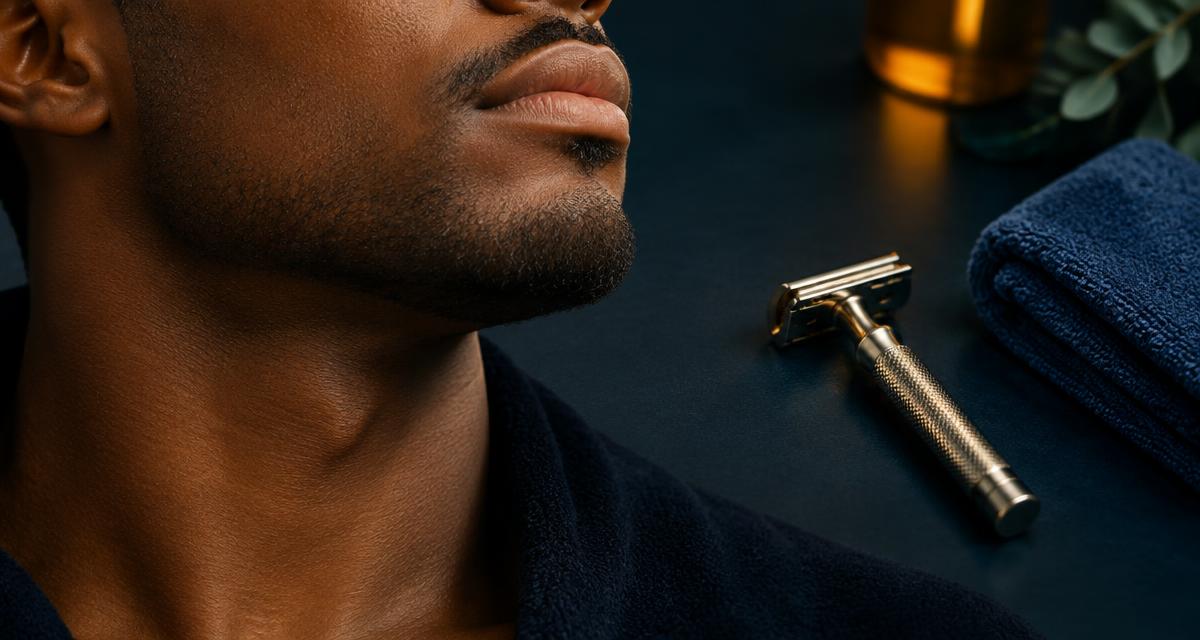
What may be happening beneath the bumps
Razor bumps can develop when a cut hair curves back into the skin or grows into it instead of emerging freely. The skin reacts with inflammation, which can cause raised, itchy, or tender spots. This process is often called pseudofolliculitis barbae, but not every bump after shaving has the same cause.
The neck can be especially tricky because hairs often grow in several directions, even within a small area. A stroke that follows the grain on one patch may go against it on the next. Very close shaving, stretching the skin, and repeatedly passing over one spot can make it easier for cut hairs to become trapped or re-enter the skin. Tightly curled or coarse beard hair is particularly prone to this.
Razor burn is different: it is surface irritation from shaving and may feel like stinging or rawness rather than separate bumps around hairs. Inflamed or infected hair follicles can also look similar to razor bumps. Appearance alone is not always enough to tell them apart.
It is more than a shaving inconvenience
Visible neck bumps can become one more thing to think about before a meeting, a date, or a photo. You may find yourself choosing a shirt around how your neck feels or checking the mirror instead of focusing on the conversation. Wanting to look well-groomed without discomfort is reasonable—not vain.
The cycle of shaving, irritation, and trying another product can also get exhausting. Inflammation may leave lingering dark marks, particularly in darker skin tones, so the reminders can outlast the discomfort. Understanding the role of hair growth and shaving technique gives you something more useful than guessing, without turning grooming into a full-time project.
Build a lower-irritation shaving routine
The aim is to reduce friction and avoid cutting hair unnecessarily close—not to scrub bumps away. Consider these general habits, adjusting them to your skin’s comfort and your grooming needs.
- Check the grain before shaving. Let a little stubble grow, then look and gently feel for the direction of growth across different parts of your neck. Shave with that direction rather than assuming every stroke should go downward.
- Soften the hair first. Use lukewarm water and a gentle cleanser, then apply a lubricating shaving cream or gel. Avoid dry shaving with a manual razor.
- Use light pressure and fewer passes. Avoid stretching the skin or repeatedly chasing a perfectly smooth finish over the same patch. Rinse the blade regularly and replace it when it becomes dull or starts tugging.
- Consider leaving a little length. A guarded electric trimmer that leaves short, visible stubble may be less irritating than a skin-close shave. If the area is already inflamed, pause close shaving when practical.
- Keep aftercare simple. Rinse gently and apply a fragrance-free moisturizer. Avoid picking, digging out hairs, rough scrubs, and aftershaves that sting.
- Keep tools clean and reduce rubbing. Follow the manufacturer’s cleaning instructions and do not share razors. At a barbershop, ask for appropriately disinfected equipment and a fresh disposable blade if one is used; avoid tight collars rubbing against freshly shaved skin when possible.
When to see a professional
See a healthcare professional for significant or worsening pain, bumps that keep returning, draining pus, scarring, or patchy hair loss. Seek prompt medical care if redness, warmth, or swelling is spreading, or if you develop a fever, as these can be signs of an infection rather than simple shaving irritation.
For more practical tips like these, follow @docfolikool on TikTok.
Keep reading
Watch: quick video explainers
Build a routine instead of guessing
Tired of guessing which habits might be keeping the cycle going? Download Clear Skin Reset for Men’s free guide, “7 Reasons Your Bumps Keep Coming Back,” for more educational guidance on your grooming routine.