Shaving
When Your Collar Rubs Against a Freshly Shaved Neck
You shave your neck for a clean look, then spend the day feeling your shirt collar catch against tender bumps. By the next morning, getting ready can feel like choosing between visible stubble and more irritation.
Published November 3, 2026 · 3 min read
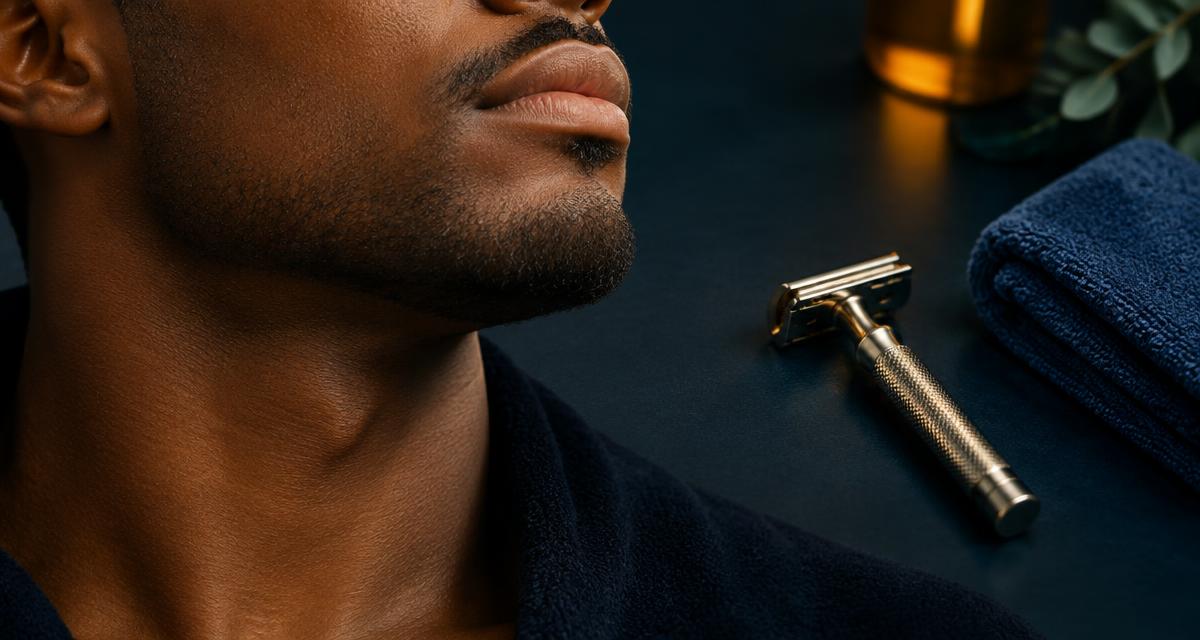
What happens beneath the collar
An ingrown hair happens when a growing hair curves back into the skin or becomes trapped beneath its surface. A close shave can leave a short, sharp hair tip that more easily re-enters nearby skin, especially when the hair is tightly curled or coarse. The skin reacts to that hair with inflammation, which can show up as a raised, itchy or tender bump.
Neck hair often grows in several directions, so one downward razor stroke may follow the grain in one spot and go against it in another. Shaving against the grain, stretching the skin or repeatedly passing over the same patch can cut hairs very close and add irritation.
A collar does not cause every ingrown hair, but repeated rubbing can aggravate freshly shaved skin and existing bumps. A snug neckline, a stiff seam or a sweat-damp collar can make that contact more uncomfortable. Not every neck bump is an ingrown hair; irritation and inflamed or infected hair follicles can look similar.
Looking polished should not feel like a trade-off
Whether you are dressing for work, an interview or a date, neck bumps can pull your attention away from the moment. You might keep adjusting your collar or wonder whether someone notices the irritation. That frustration is real, even when the affected area is small.
It is also tiring to guess whether the problem is your razor, your barber, your shirt or another product. Bumps are not proof of poor hygiene or a lack of effort. Understanding how shaving and friction overlap gives you a more useful starting point than chasing the closest possible shave.
Give your neck a lower-irritation routine
Aim for less repeated contact rather than a perfectly smooth finish. These general habits may reduce irritation, though individual skin responses vary.
- Check your hair-growth directions before shaving. Use light pressure and short strokes with the grain, without stretching the skin or repeatedly chasing leftover stubble.
- Consider a guarded electric trimmer that leaves a little visible stubble instead of cutting flush with the skin. Tell your barber you prefer a less-close neck finish, especially over irritated areas.
- If using a blade, soften the hair with warm water and apply a gentle shaving gel or cream. Use a clean, sharp blade, and avoid shaving directly over sore or broken skin.
- Reduce collar friction where practical. Choose a comfortable neckline and softer fabric, and change out of sweat-damp shirts rather than letting them rub for hours.
- Wash gently and use a fragrance-free moisturiser if tolerated. Skip harsh scrubs and products that sting; picking, squeezing or digging for trapped hairs can add injury.
- Keep razors and trimmers clean according to their instructions, and do not share them. Change one habit at a time so it is easier to notice what your skin tolerates.
When to see a professional
Seek medical advice for persistent or increasing pain, spreading redness or swelling, or bumps that drain pus. Fever with worsening skin symptoms warrants prompt care; recurring bumps, scarring or patchy hair loss also deserve assessment by a qualified healthcare professional rather than more trial-and-error grooming.
For more practical tips like these, follow @docfolikool on TikTok.
Keep reading
Watch: quick video explainers
Build a routine instead of guessing
Want a clearer starting point for reviewing your routine? Download Clear Skin Reset for Men’s free guide, "7 Reasons Your Bumps Keep Coming Back," for more educational guidance.