Scalp
Why Do I Have Bumps on My Scalp? Common Triggers and When to Get Help
A sore bump under your hair can be difficult to see and even harder to identify. It may follow a close haircut, appear under a hat, itch near the hairline or keep returning in the same place. Because several conditions can look alike, the goal is to notice the pattern — not diagnose yourself from one symptom.
Published September 22, 2026 · 7 min read
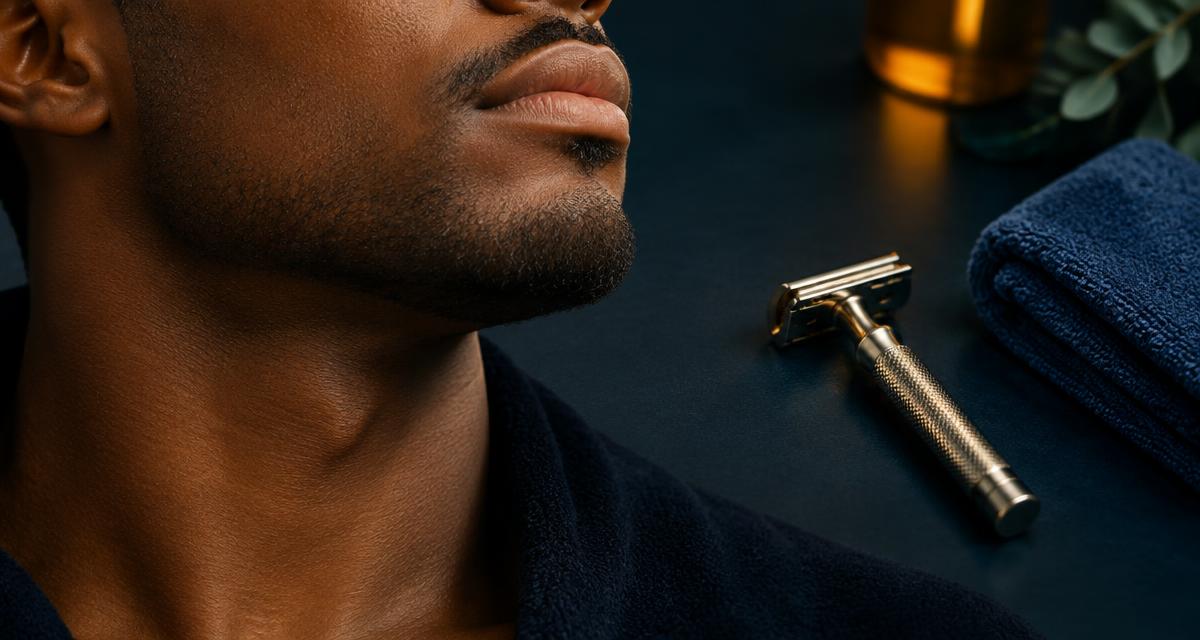
Scalp bumps can have different causes
Folliculitis means inflammation around a hair follicle. It may be related to bacteria, yeast, friction or other inflammatory conditions. Scalp folliculitis often appears as small itchy or tender spots or pustules, but not every scalp bump is folliculitis.
Other possibilities include irritation from clippers or products, ingrown hairs, acne keloidalis nuchae near the back hairline, cysts, or less common scarring scalp disorders. Even clinicians sometimes need a close examination, dermoscopy or a sample to distinguish them. That is why a general article should not be used to name your condition.
Look for the pattern
- Location: front hairline, crown, behind the ears or at the nape.
- Timing: after a haircut, after wearing a helmet, during hot weather or without an obvious trigger.
- Sensation: mainly itchy, tender, burning, deep and painful, or painless.
- Appearance: a single firm lump, many similar bumps, flaking, crusting or visible drainage.
- Hair changes: broken hairs, patchy loss, thinning or a smooth scarred area.
A low-irritation scalp routine
While you arrange care or watch a mild, recent flare, keep the routine simple. Wash regularly with a mild shampoo and rinse thoroughly. Avoid scratching, squeezing or scraping at the bumps. Aggressive brushing and harsh scalp scrubs can add tiny injuries and more inflammation.
- Use a clean towel and change pillowcases regularly.
- Clean combs, brushes and clipper guards; do not share them while the scalp is irritated.
- Wash hats, durags, helmet liners and other items that repeatedly touch the scalp.
- Avoid heavy oils or pomades on the affected area if you notice they precede a flare.
- Loosen tight headwear and reduce friction where practical.
Be cautious with treatment guesses
An anti-dandruff shampoo may help some scalp conditions, while others require a completely different approach. Antibiotics and antifungal medicines are not interchangeable, and both should be chosen for a reason. Using leftover prescriptions or stacking several strong products can obscure the pattern and irritate the scalp further.
If bumps repeatedly follow a skin-close fade or line-up, discuss a less aggressive cut with your barber. That may reduce a trigger, but persistent bumps still deserve evaluation because changing the haircut does not establish the diagnosis.
Warning signs that should not wait
See a licensed medical professional for scalp bumps that are recurring, worsening or not settling with gentle care. Prompt evaluation is particularly important for hair loss, scarring, soft or boggy swelling, significant pain, spreading redness, warmth, drainage, fever or feeling unwell. Some scarring scalp conditions can cause permanent hair loss, so early assessment matters.
For more practical tips like these, follow @docfolikool on TikTok.
Keep reading
Watch: quick video explainers
Build a routine instead of guessing
Start with the free 7 Reasons guide, or see the complete Clear Skin Reset system.