Shaving Care
Aftershave Products: What Stings and Why
You finish shaving, splash on aftershave, and suddenly your neck feels like it is on fire. If you have been told that the sting means it is working, it is worth questioning what your skin is actually feeling.
Published October 30, 2026 · 3 min read
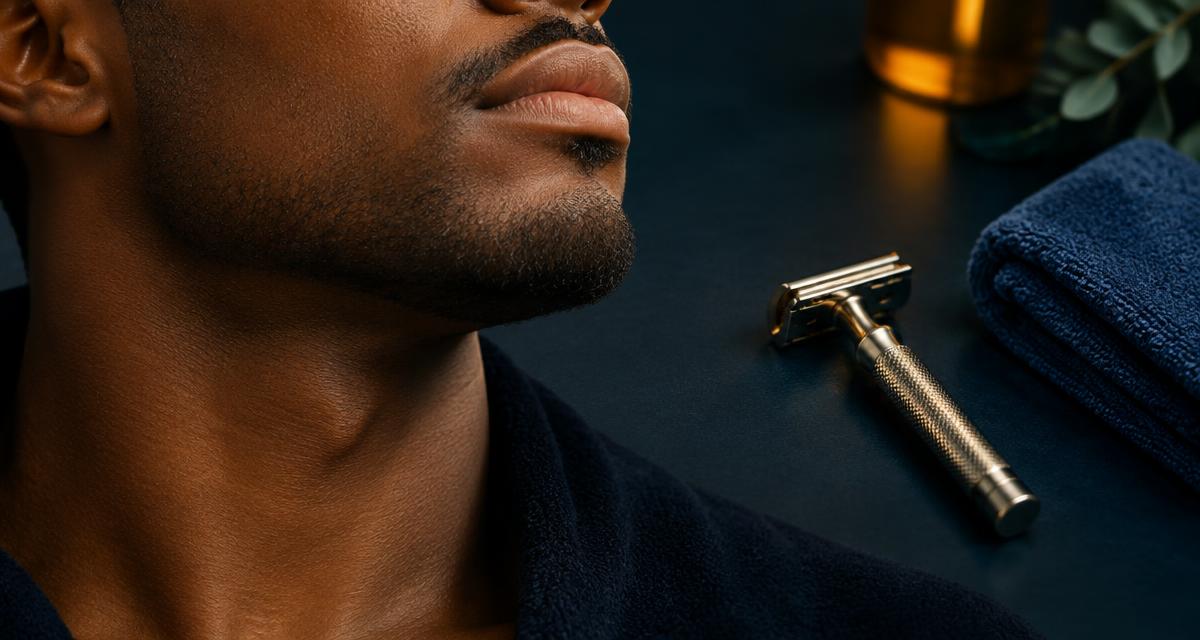
What causes that aftershave sting?
Your skin’s outer layer acts as a barrier, helping hold moisture in and keep irritants out. Shaving can disturb that layer through friction, repeated passes, and tiny cuts you may not see. A product that feels comfortable on unshaved skin can therefore sting right after a shave.
Alcohol-heavy splashes are a common trigger. Ethanol, sometimes listed as alcohol denat. or SD alcohol, can sting on freshly shaved skin and contribute to dryness. Not every ingredient with “alcohol” in its name behaves this way: fatty alcohols such as cetyl alcohol and cetearyl alcohol commonly help soften skin and support a cream’s texture.
Fragrance, essential oils, menthol, and exfoliating acids can also irritate freshly shaved skin. “Natural” does not automatically mean gentler, and a cooling sensation does not prove a product is soothing. Immediate stinging can reflect irritation; an itchy rash that develops later may involve a different reaction, including allergy. Neither burning nor tingling is evidence that an aftershave is preventing bumps.
Comfort matters more than a bracing finish
A shave is often part of getting ready to face people—at work, on a date, or during an ordinary busy day. Burning skin, tightness, or the urge to scratch your neck can pull your attention away from what you came to do. You do not need to endure discomfort to look well groomed.
The guessing can be just as tiring: a new splash, a different balm, then another product to deal with the reaction. Whether you shop in the US or Nigeria, labels such as “fresh,” “cooling,” or “for men” tell you little about how your skin will respond. Understanding ingredients gives you a more useful starting point than chasing the strongest sensation.
Build a lower-irritation finish
Aftershave is optional, not a test of how well you shaved. Keep your post-shave routine simple so it is easier to notice what feels comfortable and what does not.
- Reduce irritation before applying anything: soften the hair with water, use a lubricating shaving product, shave with the direction of growth, and avoid repeated passes over the same spot.
- Rinse gently with lukewarm or cool water and pat dry rather than scrubbing with a towel.
- Consider a simple, fragrance-free moisturizer instead of an alcohol-heavy splash. “Unscented” products may still contain ingredients that mask fragrance.
- Check for possible triggers such as alcohol denat., fragrance or parfum, menthol, and essential oils. Consider keeping exfoliating acids out of your immediate post-shave routine.
- Introduce one new product at a time. Try a small amount on a limited area of unbroken, unshaved skin first; this cannot rule out a reaction after shaving.
- If a product burns, rinse it off and stop using it rather than pushing through. Avoid layering more scented or cooling products over irritated skin.
When to see a professional
Seek medical advice for persistent or worsening pain, spreading redness or swelling, or bumps that drain fluid or pus. Fever with a painful or spreading skin change warrants prompt medical attention. Scarring or hair loss around recurring bumps also deserves assessment by a qualified healthcare professional.
For more practical tips like these, follow @docfolikool on TikTok.
Keep reading
Watch: quick video explainers
Build a routine instead of guessing
Tired of guessing what keeps setting your skin off? Download Clear Skin Reset for Men’s free guide, “7 Reasons Your Bumps Keep Coming Back,” to learn about common grooming factors worth reviewing.